Outcry as fake products flood Nigerian markets


BY FRONTLINE REPORTERS
Nigerians demand overhaul of NAFDAC, SON as counterfeit food, drugs, cosmetics and other consumer goods flood markets
Nigerians have raised the alarm over the growing proliferation of counterfeit and substandard products in the country, with food, drugs, cosmetics, beverages and other consumer goods increasingly coming under scrutiny.
The development has put the National Agency for Food and Drug Administration and Control and the Standards Organisation of Nigeria under renewed pressure, as citizens use social media to expose products they suspect to be fake, adulterated or potentially dangerous.
Although some of the claims circulating online have not been independently verified, the growing campaign has heightened consumer anxiety and triggered fresh calls for stronger surveillance, enforcement and prosecution of those involved in the manufacture and distribution of counterfeit products.
The concerns intensified following recent social media reports involving suspected fake Oral-B toothpaste, Hollandia yoghurt and paracetamol tablets, among other everyday products.
A Nigerian doctor, Somto Okonkwo, recently posted a video comparing genuine and suspected counterfeit Oral-B toothpaste, highlighting differences in packaging, seals, texture, translucency and taste.
Okonkwo said he visited between five and seven shops and found suspected counterfeit Oral-B products in all of them, adding that some traders appeared unaware that the products they were selling were fake.
He explained that genuine products typically contain safe glycerine, while counterfeit versions could contain dangerous substitutes such as diethylene glycol.
The video was widely circulated after it was amplified by United Kingdom-based Nigerian physician, Dr Olufunmilayo Ogunsanya.
Similar concerns have been raised over suspected counterfeit Hollandia yoghurt, with videos circulating online allegedly showing the product being packaged under unhygienic conditions.
Other social media users have posted side-by-side comparisons of genuine and suspected fake yoghurt, pointing to differences in thickness, creaminess, packaging and barcodes.
On September 4, Ogunsanya also raised questions over the authenticity of some paracetamol tablets after posting photographs of two tablets allegedly produced by the same company but showing obvious differences in colour.
He warned consumers that such differences could indicate that one or both products were counterfeit.
Other products listed in various online complaints include dyed palm oil, artificially coloured apples, fake soy sauce and olive oil, substandard chicken and fish, fake bottled and sachet water, beverages, medicines, toothpaste, baby formula, electrical products, vehicle parts and tyres.
Some Nigerians have also alleged that the scale of counterfeit products suggests possible weaknesses or compromise within the regulatory system.
One social media user, Oluwole Olofintuyi, alleged that regulatory officials, distributors and importers could be complicit in the circulation of fake products.
Another user, Chinedu Samuel, questioned the effectiveness of NAFDAC and called for stronger action against manufacturers and distributors of counterfeit goods.
Several Nigerians called for increased surveillance at ports, warehouses, markets and online platforms, as well as tougher prosecution of manufacturers, importers and distributors.
NAFDAC’s seizures
Recent enforcement operations by NAFDAC have uncovered significant quantities of counterfeit and unregistered pharmaceutical products.
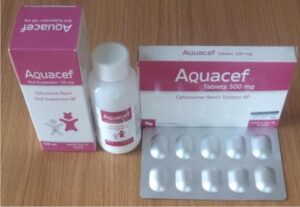
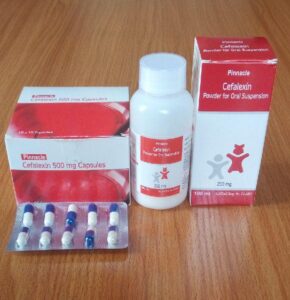
In February 2026, the agency reported the seizure of more than 10 million doses of fake malaria medicines and other pharmaceutical products at the Lagos Trade Fair Market.
NAFDAC also uncovered warehouses concealed inside an uncompleted building in Apapa, Lagos, where banned, fake and unregistered medicines reportedly worth more than N3bn were stored.
The products included prohibited injectable anti-malarial drugs, antibiotics, sachet medicines and blister packs, alongside assorted perfumes, body oils and cooking oils.
In 2025, NAFDAC said about 30 per cent of medicines sold in open markets were fake or substandard.
In March 2025, the agency also seized and destroyed confiscated drugs valued at about N1tn, including banned Analgin and high-dose Tramadol, following operations at major drug markets in Onitsha, Ogbo-Ogwuru and Aba.
Counterfeit products pose serious health risks – Doctors
The Director of Medical Services at the Medical Centre of the Federal College of Education, Akoka, Lagos, Dr Rotimi Adesanya, warned that counterfeit drugs, foods and beverages could contain harmful substances capable of damaging vital organs, particularly the kidneys and liver.
He said some health conditions, including liver and kidney failure, heart problems, infertility and low sperm count, could be associated with exposure to harmful chemicals in counterfeit products.
Adesanya attributed part of the problem to economic hardship, saying many Nigerians resort to cheaper products because of the rising cost of living.
He urged NAFDAC to intensify routine inspections, surveillance and laboratory analysis of products displayed on shop shelves.
The doctor also advised consumers to pay close attention to product labels, expiry dates, packaging and sources of purchase.
He explained that an expiry date differs from a “best before” date, stressing that expired medicines may lose their potency and fail to provide the intended therapeutic effect.
Adesanya urged consumers to consider alternative brands where genuine products were too expensive, while calling on regulators to strengthen market surveillance.
A former Chairman of the Nigerian Medical Association, Lagos State, Dr Saheed Babajide, blamed the proliferation of counterfeit medicines largely on weak enforcement by government agencies.
He recalled recent enforcement operations in Idumota, Lagos, and Aba, Abia State, but said counterfeit products continued to circulate despite such interventions.
Babajide warned that fake and substandard medicines could cause renal damage, kidney and heart complications and other serious health problems.
He said ineffective medicines could also prolong illnesses, increase hospital admissions and impose additional financial burdens on patients.
He attributed the problem largely to greed and the quest for profit by unscrupulous operators.
Babajide called for tougher legislation and severe punishment for anyone found guilty of manufacturing, importing or distributing fake medicines.
Calls for overhaul of NAFDAC, SON
A Lagos-based commentator, Segun Odunewu, called for a comprehensive overhaul of NAFDAC, alleging that the agency had become less effective in protecting Nigerians from dangerous counterfeit products.
He argued that the country needed stronger accountability and a return to the aggressive enforcement approach associated with the era of former NAFDAC Director-General, the late Prof Dora Akunyili.
However, public affairs analyst, Adebayo Abubakar, disagreed with calls to scrap NAFDAC or SON, saying the agencies were established specifically to protect consumers and enforce standards.
According to him, the priority should be to strengthen their capacity, improve coordination and hold officials accountable for failures.
Abubakar said the continued presence of counterfeit medicines, adulterated food, fake electrical products, substandard building materials and other imitation goods in Nigerian markets raised serious questions about the effectiveness of the country’s regulatory system.
Another analyst, Musa Aliyu, called for a review of the National Policy on the Contamination of Drugs and Unwholesome Practices of Pharmaceuticals.
He said the problem extended beyond medicines and required stronger collaboration between regulatory agencies, security institutions and communities.
Aliyu also called for decentralisation of NAFDAC’s operations to improve monitoring, enforcement and public awareness at the grassroots.
Lawyers demand tougher sanctions
A Lagos-based dispute resolution lawyer, Muhammed Adam, urged the Federal Government to declare a state of emergency on counterfeit and substandard products.
He described the proliferation of fake goods as organised economic and public-health sabotage rather than an ordinary market offence.
Adam said the most disturbing aspect was that many of the products being counterfeited were items Nigerians relied on for their health and daily wellbeing.
He cited cases involving fake medicines, contaminated cosmetics and defective electrical and automobile parts, warning that the consequences could be fatal.
The lawyer also referred to seizures by the Nigeria Customs Service involving expired medicines and products allegedly bearing fake NAFDAC labels, including a reported seizure in the Apapa area valued at N53.4bn.
He further cited the interception of fake anti-malaria drugs worth N1.2bn, allegedly concealed under a declaration of spare parts.
Adam said counterfeiters were increasingly exploiting online transactions and groupage cargo to evade detection.
He argued that seizures alone would not solve the problem unless those behind the manufacture and distribution of counterfeit products were consistently prosecuted and convicted.
Another lawyer, Ibrahim Adebayo, accused regulatory agencies, particularly NAFDAC, of failing to sustain the aggressive campaign against counterfeit products witnessed in previous years.
He alleged that some officials could be colluding with criminals involved in the trade, stressing that the government must demand greater accountability from regulatory agencies.
Adebayo called for stronger coordination among NAFDAC, SON, the Nigeria Customs Service, the Federal Competition and Consumer Protection Commission and security agencies.
He also urged the government to strengthen surveillance at ports, warehouses, markets and online marketplaces, while improving intelligence-sharing among the agencies.
NAFDAC silent, SON directs inquiries
When contacted, NAFDAC’s Head of Enforcement, Dr Martin Iluyomade, declined to comment.
Calls to his mobile phones were neither answered nor returned, while messages sent to him seeking his response were not acknowledged as of press time.
Efforts to obtain SON’s reaction were also unsuccessful.
A senior official of the organisation, who spoke on condition of anonymity, directed inquiries concerning fake, substandard and falsified medicines to NAFDAC, saying such matters fell within the agency’s statutory responsibility.
The official, however, advised that inquiries concerning SON’s mandate and activities should be formally addressed to its Director-General/Chief Executive.
ADVERTISEMENTS