CVFF: Stakeholders Unveil Framework to De-Risk $700m Vessel Financing Scheme
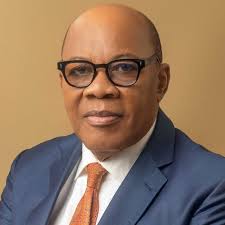

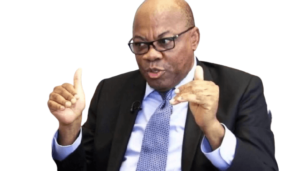
OLISA AGBAKOBA (SAN)
BY FRONTLINE REPORTERS
Maritime industry stakeholders have proposed a robust legal, financial and operational framework to de-risk lending under the Cabotage Vessel Financing Fund (CVFF), aimed at ensuring sustainable vessel financing and boosting indigenous participation in Nigeria’s coastal shipping trade.
The recommendations emerged at the maiden Maritime Policy Roundtable organised by Olisa Agbakoba Legal (OAL) in Lagos, where experts from the banking, insurance, maritime and ship-management sectors deliberated on practical strategies for unlocking the over $700 million CVFF for indigenous shipowners.
Speaking at the roundtable, Senior Partner of Olisa Agbakoba Legal, Dr. Olisa Agbakoba (SAN), traced the history of the CVFF and its role in Nigeria’s maritime development agenda. He highlighted the objectives of the Coastal and Inland Shipping (Cabotage) Act, 2003, which established the fund to support vessel acquisition by indigenous operators and deepen Nigerian participation in domestic coastal trade.
According to him, the successful implementation of the CVFF will depend largely on developing a sustainable financing model that balances the interests of indigenous shipowners and participating financial institutions.
Managing Partner of Olisa Agbakoba Legal, Yvonne Ezekiel, in her opening remarks, stressed the need for stronger collaboration among banks, maritime operators, legal practitioners and regulators to address longstanding challenges associated with vessel financing in Nigeria.
Presenting a legal and credit-risk framework for participating financial institutions, Partner at Olisa Agbakoba Legal, Collins Okeke, identified credit-risk assessment, corporate and regulatory due diligence, security and facility structuring, as well as clear default and recovery procedures as critical safeguards for sustainable lending under the CVFF.
Okeke urged financial institutions to independently assess applicants’ financial strength, debt profile, operational experience and projected cash flows rather than relying solely on documents submitted by applicants. He also recommended thorough verification of beneficial ownership, regulatory compliance and mandatory equity contributions before loan approvals are granted.
He further advocated enforceable mortgages on financed vessels, assignment of vessel-generated income and receivables to lenders, comprehensive insurance arrangements and clearly defined restructuring procedures to mitigate operational and financial risks.
Also speaking, Managing Director of NBC Maritime Ltd., Capt. Nicolas Bernard, underscored the importance of professional ship management in protecting maritime investments and preserving the value of financed vessels.
According to Bernard, vessel acquisition represents only the first stage of the investment cycle, stressing that efficient operations and professional management are essential to ensuring profitability and asset preservation.
He identified technical management, preventive maintenance, crew administration, regulatory compliance, procurement processes, financial oversight and digital monitoring as indispensable elements of modern ship management.
Bernard further advocated the early involvement of professional ship managers in vessel selection and acquisition processes, noting that such participation enhances technical due diligence, promotes regulatory compliance, reduces operational costs and minimises vessel downtime.
Stakeholders at the forum also reviewed lessons from previous ship-financing initiatives and stressed the need to avoid the pitfalls that affected the CVFF’s Series 1 lending window. Participants agreed that Series 2 must be anchored on sound credit evaluation processes, specialised maritime-finance expertise, continuous monitoring mechanisms and enforceable security arrangements.
They noted that sustainable ship financing would ultimately require private-sector bank financing supported by an enabling regulatory framework. Participants further called for a review of cargo reservation systems adopted in other jurisdictions, given their impact on the bankability of maritime assets and vessel-financing arrangements.
The discussions extended beyond the immediate implementation of the CVFF to broader issues surrounding sustainable maritime financing in Nigeria. Stakeholders identified cargo-backed financing models and long-term Contracts of Affreightment as viable mechanisms for guaranteeing predictable revenue streams for indigenous shipowners, thereby enhancing their capacity to secure and repay vessel-financing facilities.
To institutionalise the gains of the roundtable, participants resolved to expand the forum’s membership to include marine insurance practitioners, ship management experts, marine surveyors, engineers and valuers. They also nominated Mr. Wale Mesioye of Fidelity Bank Plc as Coordinator of the Forum to work with Olisa Agbakoba Legal in building a knowledge base on maritime financing.
Participating financial institutions were encouraged to establish and strengthen dedicated maritime-finance units to support specialised lending within the sector.
Among organisations represented at the roundtable were Fidelity Bank Plc, Zenith Bank Plc, TAJBank, Lotus Bank, the Bank of Industry, SUNU Assurances Nigeria Plc, Capstone Insurance Brokers Limited, NBC Maritime and Seamate Group.
The roundtable comes amid renewed efforts by stakeholders to actualise the CVFF, which was established under the Cabotage Act to support vessel acquisition, strengthen indigenous shipping capacity and expand Nigerian participation in domestic coastal trade.
Concluding the event, Dr. Agbakoba disclosed that subsequent editions of the Maritime Policy Roundtable would feature broader participation from shipowners, additional financial institutions and representatives of the Federal Ministry of Marine and Blue Economy as discussions on sustainable maritime financing continue.
ADVERTISEMENTS