

NUJ Lagos, FMMC Train Senior Journalists on AI, Drones, Digital Reporting – Experts urge journalists to embrace technology while upholding truth, ethics and professional judgment


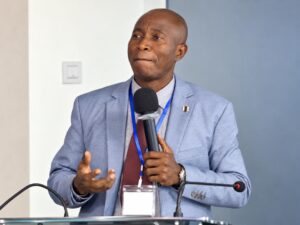
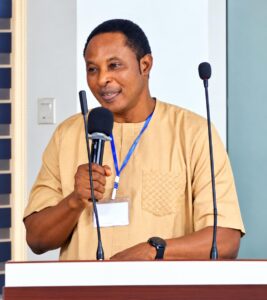
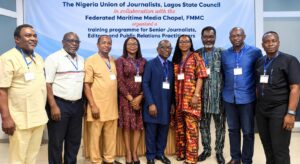
The Lagos State Council of the Nigeria Union of Journalists (NUJ), in collaboration with the Federated Maritime Media Chapel (FMMC), has organised a capacity-building programme to equip senior journalists and communication professionals with the skills required to navigate the rapidly changing media landscape.
The training focused on Artificial Intelligence (AI), drone technology, digital reporting, cybersecurity, media ethics and modern communication, with experts stressing that journalists must embrace emerging technologies without compromising the fundamental values of journalism.
Speaking at the programme, NUJ Lagos State Council Chairman, Adeleye Ajayi, said the rapid growth of social media had transformed the way information is produced and consumed, making continuous training essential for journalists. He emphasised the need for accuracy, credibility and responsible reporting in an era increasingly challenged by misinformation and disinformation.
A senior lecturer at Redeemer’s University, Mr Ademola Irinyemi, highlighted the enormous potential of AI to improve journalistic productivity, particularly in research, information processing and other repetitive tasks. However, he cautioned that AI should remain a tool to assist journalists rather than a replacement for human intelligence, creativity and professional judgment.
The training also examined the growing application of drones in journalism, security, agriculture, research and maritime operations. Participants were encouraged to explore the technology while remaining conscious of regulatory, security and ethical considerations.
Security analyst Chief Darlington Umoru warned that surveillance technologies must be deployed strategically, noting that criminals could study and circumvent predictable security systems.
The Nigeria Customs Service, through the Tin Can Island Port Command Public Relations Officer, CSC Oscar Ivara, disclosed that geospatial and satellite technologies were already being deployed to strengthen surveillance of Nigeria’s land and maritime borders, monitor cargo movements and combat smuggling.
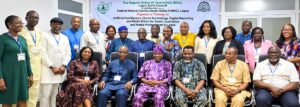
Also speaking, Professor Helen Adekoya Odunola of Babcock University stressed that digital literacy goes beyond owning smartphones and computers. She urged journalists to develop the ability to critically evaluate information, understand cybersecurity, adapt their writing to digital audiences and use AI responsibly.
For Dr Jide Johnson of the Nigeria Institute of Journalism, journalism’s watchdog role must remain intact despite technological advancement. He urged journalists to ask the questions the public would ask, provide context and resist the temptation to sacrifice truth and credibility for clicks, views and online traffic.

Chairman of FMMC, Dr Ovie Edomi, urged journalists to embrace continuous learning, noting that experience alone cannot guarantee relevance in an industry being rapidly transformed by technology.
The training ultimately underscored one compelling message: technology may change the tools of journalism, but it must never replace the principles that give journalism its value—truth, accuracy, fairness, accountability and service to the public.
The NUJ Lagos–FMMC initiative therefore served not only as a technology-training programme but also as a timely reminder that the journalist of the future must be technologically proficient, professionally responsible and ethically grounded.


