Fuel Price Hike: Fresh Hardship Looms as Petrol, Diesel Costs Rise

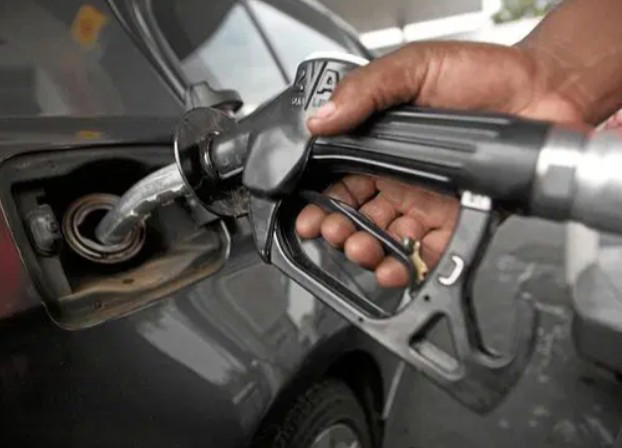
– Dangote raises petrol gantry price by 6.7% as experts warn of transport, food inflation
By Frontline Reporters
Nigerians may face a fresh wave of economic hardship following another increase in the prices of petrol and diesel, with experts warning that the development could trigger higher transportation fares, food prices and operating costs for businesses across the country.
The pressure intensified after Dangote Petroleum Refinery raised its Premium Motor Spirit, PMS, gantry price by 6.7 per cent from N1,265 to N1,350 per litre, effective September 12, 2026. The increase is expected to push up marketers’ acquisition costs and could translate into higher pump prices, particularly in Abuja and other inland and northern markets.
Industry estimates indicate that petrol could sell for between N1,400 and N1,500 per litre in Abuja, while prices in Kano, Kaduna, Jos and other northern cities could climb as high as N1,600, depending on supply, transportation costs and marketers’ margins. Diesel prices, already elevated, could also rise to between N2,100 and N2,400 per litre in some inland markets.
The rising cost of fuel is expected to send fresh shocks through the economy, affecting transportation, logistics, agriculture, food distribution and small businesses. Experts warn that higher energy costs could further weaken household purchasing power and force businesses to either raise prices, cut profit margins, postpone investment or reduce employment.
The Vice-President of the Oil and Gas Service Providers Association of Nigeria, OGSPAN, Lawal Kamaldeen, said the latest increase came at a particularly difficult time for households and businesses already grappling with rising living and operating costs. He warned that continued increases in fuel prices could create pressure throughout the downstream petroleum value chain.
Similarly, Executive Director of Spaces for Change, Victoria Ibezim-Ohaeri, warned that sustained fuel price increases could deepen the burden on low- and middle-income households, while manufacturers, farmers, retailers, construction firms and logistics operators face escalating energy and input costs. She urged the Federal Government to consider targeted support for vulnerable households and productive sectors while accelerating investments that reduce Nigeria’s exposure to petroleum-price volatility.
With crude oil prices, freight costs and geopolitical tensions continuing to unsettle the global energy market, economists warn that the worst may not yet be over. The big question for Nigerians is whether government intervention and improved domestic supply can cushion the impact—or whether another round of fuel-driven inflation will further deepen the hardship already confronting millions.
ADVERTISEMENTS