NLC, Falana, Activists Mobilise Nigerians Against Petrol Price Hike, Economic Hardship

Labour leaders accuse FG of enriching privileged few at citizens’ expense; say N70,000 minimum wage has become a cruel joke
BY FRONTLINE REPORTERS
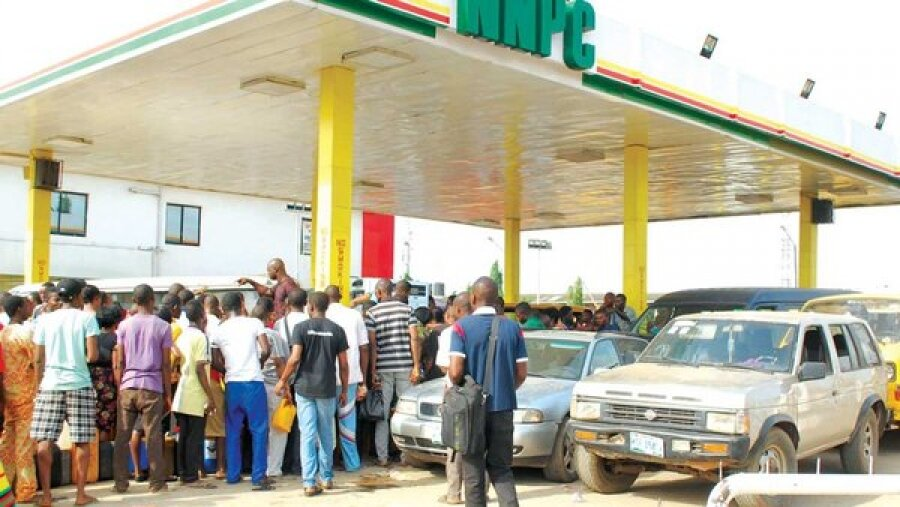
Labour leaders and pro-democracy activists have called on Nigerians to unite against rising petrol prices and worsening economic hardship, accusing the Federal Government of implementing policies that impoverish workers and ordinary citizens while enriching a privileged few.
The call was made at the first memorial celebration and symposium in honour of late activist Abiodun Aremu in Lagos at the weekend. Speakers included the Nigeria Labour Congress (NLC), human rights lawyer Femi Falana, SAN, and members of the Joint Action Front (JAF), who warned that escalating fuel prices had eroded workers’ purchasing power and pushed millions of Nigerians deeper into poverty.
NLC President, Joe Ajaero, represented by the union’s Acting General Secretary, Benson Upah, said the removal of petrol subsidy had inflicted severe hardship on workers and the wider population. He cited soaring transport fares, food prices and electricity tariffs, as well as the depreciation of the naira, as factors worsening the cost-of-living crisis. He noted that a bag of rice that previously sold for about ₦30,000 now cost more than ₦80,000, while the price of a loaf of bread had risen from approximately ₦500 to ₦1,500.
Ajaero disclosed that the NLC issued a two-week ultimatum to the Federal Government on October 9, demanding an immediate reduction in petrol prices. He warned that the union would pursue further action if the government failed to respond within the stipulated period. According to him, petrol prices must reflect workers’ earning capacity, arguing that the ₦70,000 national minimum wage, introduced in July 2024 when petrol sold for about ₦668.30 per litre, had been rendered inadequate by prices exceeding ₦1,400 per litre in many locations.
“A worker earning ₦70,000 a month cannot afford to buy petrol at ₦1,400 per litre. The government has effectively rendered the minimum wage meaningless. The ₦70,000 minimum wage was inadequate when it was announced. It is now a cruel joke,” he said. The NLC also urged the government to stabilise the naira, curb inflation and strengthen domestic refining capacity, questioning the expected benefits of subsidy removal for local refining investment.
Falana, who chaired the event, challenged the argument that subsidy removal was the only option available to the government, noting that several countries continued to subsidise fuel and other essential services. He criticised the high cost of petrol in Nigeria and questioned the government’s position on landing costs, arguing that transportation and distribution expenses further increased the burden on consumers across the country.
Also speaking, Rashidat Adesina of JAF said the increase in petrol prices from about ₦165 per litre before subsidy removal in 2023 to between ₦1,350 and ₦1,400 in some locations had disproportionately affected low-income households. She noted that a worker earning the ₦70,000 minimum wage could afford only 50 litres of petrol at ₦1,400 per litre, leaving nothing from that amount for rent, food, school fees and other necessities.
The activists called for a review of economic policies, improved wages, lower petrol prices and stronger protection for vulnerable Nigerians. They maintained that the burden of economic reforms should not fall disproportionately on workers, traders, artisans, young people and other low-income groups while sections of the business community continued to accumulate wealth.
ADVERTISEMENTS